
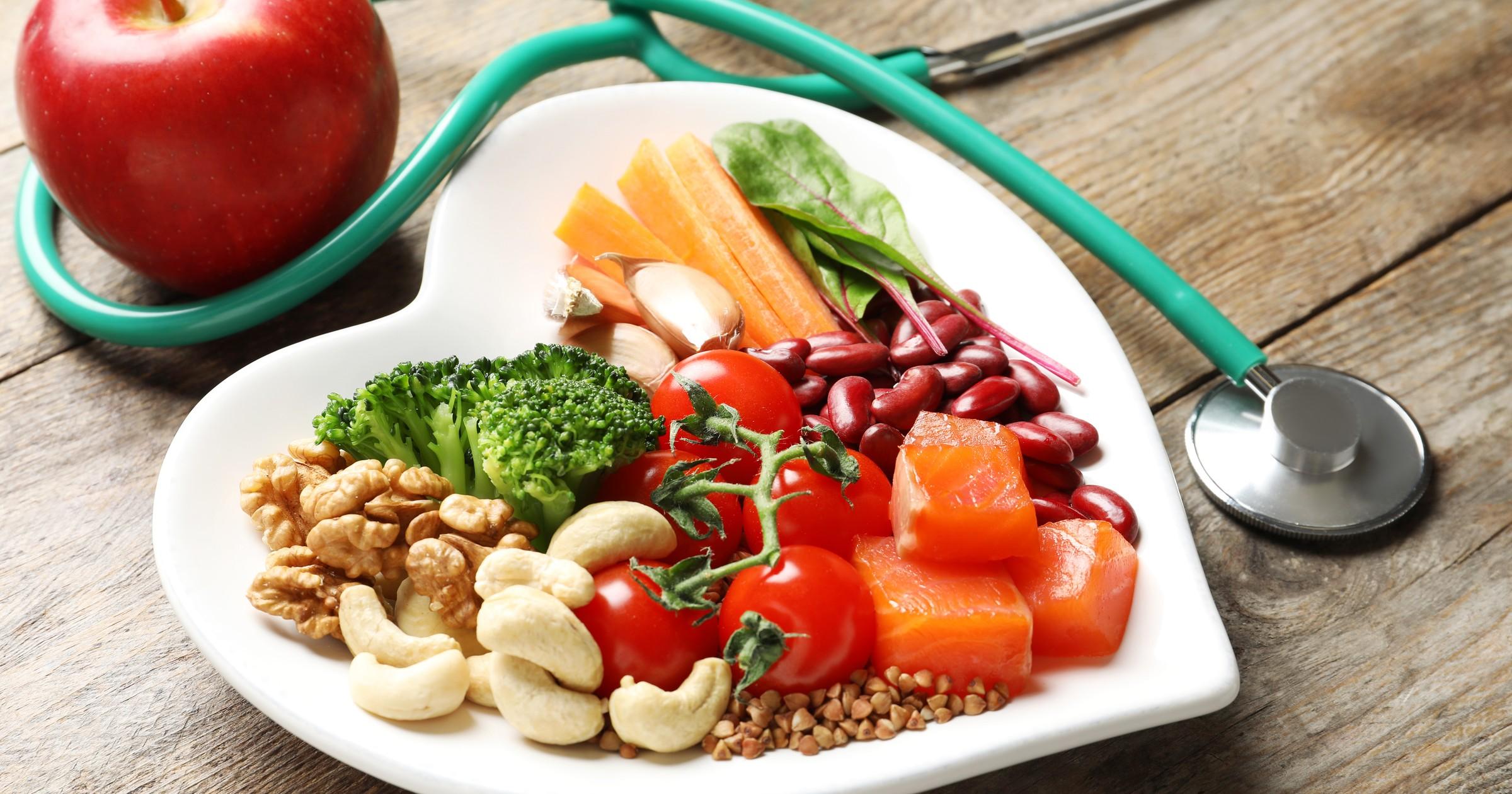
Your heart works continuously from the moment you are born, pumping blood throughout your body and supplying your organs with oxygen and nutrients. Because cardiovascular health is closely connected to factors such as blood pressure, cholesterol, blood sugar, body weight, physical activity, sleep, and lifestyle, the foods you eat can play an important role in supporting your heart over the long term. ❤️
The good news is that eating for heart health does not mean following an extremely restrictive diet. You do not have to eliminate every favorite food or eat the same meals every day. Instead, a heart-friendly diet focuses on building a balanced pattern around vegetables, fruits, whole grains, beans, lentils, nuts, seeds, fish, and other nutritious foods.
At the same time, it is helpful to limit excessive amounts of sodium, added sugars, saturated fats, highly processed foods, and foods that provide large amounts of calories without many nutrients.
A healthy diet is not about one magical ingredient. It is about what you eat regularly over weeks, months, and years. 🌿
This guide explores some of the best foods to include in a heart-supportive eating pattern, explains why they are beneficial, and provides practical ideas for making healthier choices without making meals complicated.
🫀 Why Food Matters for Heart Health
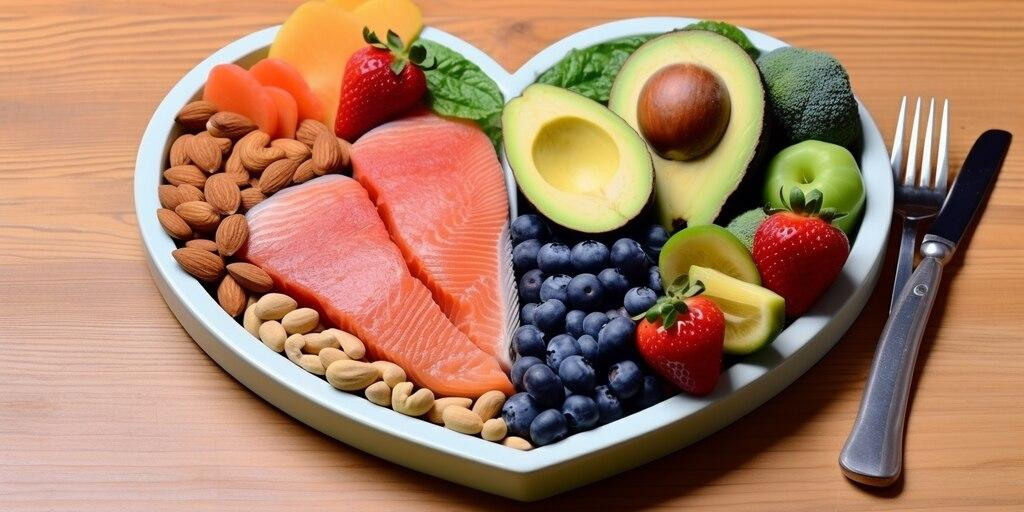
Your cardiovascular system is affected by many aspects of your lifestyle. Diet is important because the foods you eat can influence several factors associated with cardiovascular health.
For example, a diet rich in vegetables, fruits, whole grains, and legumes can provide plenty of dietary fiber, potassium, vitamins, minerals, and beneficial plant compounds. Certain foods can also provide unsaturated fats, which can be preferable to large amounts of saturated fats.
On the other hand, regularly eating large quantities of highly processed foods, foods high in sodium, sugary beverages, and foods rich in saturated fats may make it harder to maintain a heart-friendly dietary pattern.
This does not mean that one meal determines your heart health. What matters most is your overall pattern.
Think of your diet as a long-term investment. 🥗
A single healthy meal is beneficial, but consistently choosing nourishing foods is much more meaningful than trying to eat perfectly for a few days.
🥦 1. Vegetables: The Foundation of a Heart-Friendly Diet
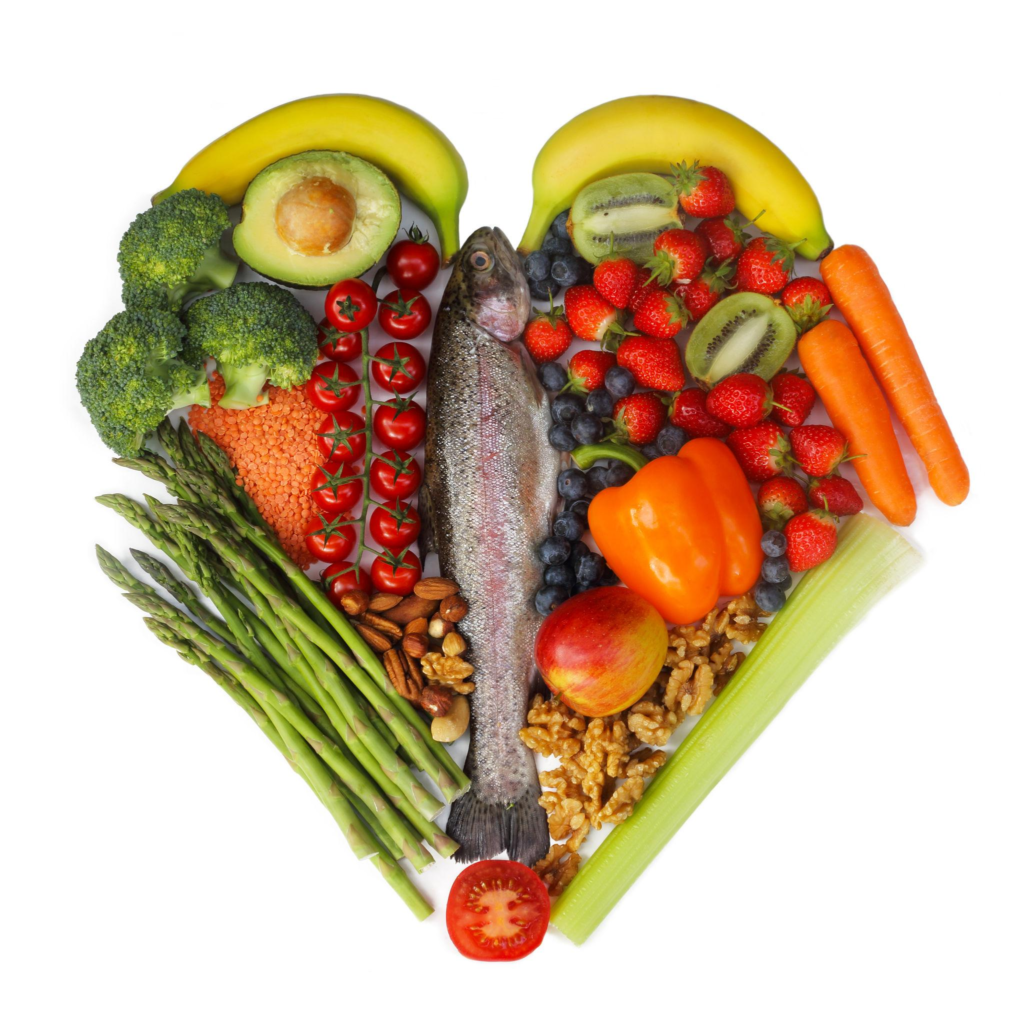
Vegetables should be a major part of almost any heart-conscious eating pattern.
They provide dietary fiber, vitamins, minerals, antioxidants, and numerous naturally occurring plant compounds. Many vegetables are also relatively low in calories, making them useful for creating filling meals.
Leafy green vegetables such as spinach, kale, lettuce, mustard greens, and other greens provide a variety of nutrients. Cruciferous vegetables such as broccoli, cauliflower, cabbage, and Brussels sprouts are also excellent choices.
Color variety is useful because different vegetables contain different combinations of naturally occurring compounds.
Try including:
- 🥦 Broccoli
- 🥬 Spinach
- 🥕 Carrots
- 🍅 Tomatoes
- 🫑 Bell peppers
- 🥒 Cucumbers
- 🥬 Cabbage
- 🍠 Sweet potatoes
- 🌱 Green peas
- 🧅 Onions
An easy strategy is to add vegetables to lunch and dinner rather than trying to completely redesign your meals.
For example, add spinach to an omelet, vegetables to dal, tomatoes and cucumber to a salad, or roasted vegetables alongside fish or beans.
The more naturally colorful your plate becomes, the easier it can be to increase your intake of a variety of plant foods.
🍓 2. Fruits: Naturally Sweet Sources of Nutrients
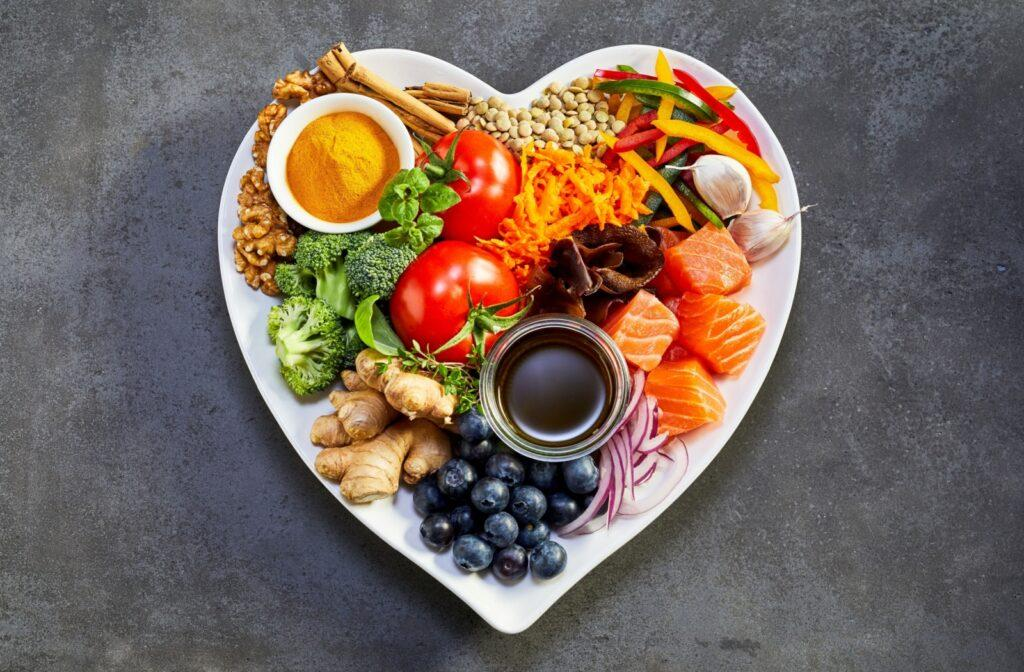
Whole fruits can be another important part of a heart-friendly diet.
Fruits provide dietary fiber, vitamins, minerals, water, and various plant compounds. They can also satisfy a desire for something sweet without relying on heavily processed desserts.
Excellent choices include:
- 🍎 Apples
- 🍐 Pears
- 🍊 Oranges
- 🍓 Strawberries
- 🫐 Blueberries
- 🍌 Bananas
- 🥝 Kiwi
- 🍈 Guava
- 🥭 Mango
- 🍉 Watermelon
Berries are particularly easy to include in breakfasts and snacks. Apples and pears are convenient options for work or school. Citrus fruits can provide vitamin C and refreshing flavor.
Whenever practical, choose whole fruit instead of fruit juice. Whole fruit retains its natural fiber, while juice can be much easier to consume in large quantities.
A simple snack such as an apple with a small serving of nuts can be much more nutrient-dense than many packaged snack foods. 🍎🥜
🌾 3. Whole Grains for Fiber and Sustained Nutrition
Whole grains can provide more fiber and nutrients than refined grains because they retain more of the grain’s natural structure.
Examples include:
- Oats
- Barley
- Brown rice
- Whole-wheat products
- Quinoa
- Millet
- Sorghum
- Bulgur
- Whole-grain bread
Fiber is particularly valuable because it supports digestive health and can contribute to healthy cholesterol levels as part of an overall nutritious eating pattern.
You do not need to stop eating carbohydrates to support your heart.
Instead, focus on the quality of your carbohydrate sources.
For example, you might replace some refined breakfast cereal with oatmeal, white bread with whole-grain bread, or refined grains with brown rice, barley, or millet.
For Indian meals, whole-wheat roti, oats, brown rice, and traditional whole grains can be incorporated without dramatically changing familiar dishes.
🫘 4. Beans, Lentils, and Chickpeas
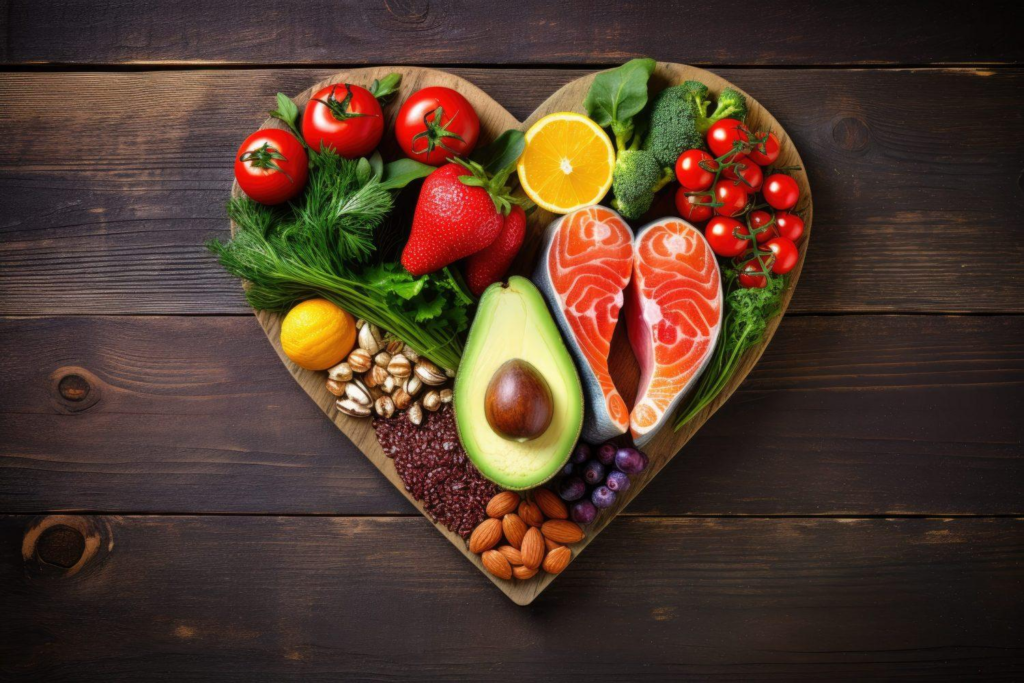
Legumes are nutritional powerhouses. 🫘
Beans, lentils, chickpeas, peas, and soy foods can provide fiber, plant protein, vitamins, and minerals.
They are particularly useful because they can replace some foods that are higher in saturated fat while still making meals satisfying.
Popular choices include:
- 🫘 Kidney beans
- 🫘 Chickpeas
- 🌱 Green lentils
- 🫘 Black beans
- 🌱 Split peas
- 🫘 Soybeans
- 🥣 Dal
Legumes can be incorporated into soups, curries, salads, wraps, grain bowls, and vegetable dishes.
A simple Indian meal of dal, vegetables, and whole-grain roti can provide a combination of fiber, plant protein, and other nutrients.
If you do not regularly eat beans or lentils, introduce them gradually. A sudden increase in legumes may cause temporary gas or bloating in some people.
🥜 5. Nuts and Seeds
Nuts and seeds provide a combination of unsaturated fats, protein, fiber, vitamins, minerals, and other nutrients.
Good options include:
- Almonds
- Walnuts
- Pistachios
- Peanuts
- Chia seeds
- Flaxseeds
- Pumpkin seeds
- Sunflower seeds
Walnuts and flaxseeds are sources of alpha-linolenic acid, a plant-based omega-3 fatty acid.
Because nuts and seeds are relatively energy-dense, portion size still matters. A small handful can be enough for a snack or topping.
Instead of eating them mainly as sweetened or heavily salted products, consider choosing unsalted or minimally processed varieties.
You can add nuts and seeds to:
🥣 Oatmeal
🥗 Salads
🍓 Yogurt
🥛 Smoothies
🌾 Whole-grain cereal
🍚 Grain bowls
This makes it easy to increase nutritional variety without dramatically changing your meals.
🐟 6. Fatty Fish and Omega-3 Fatty Acids
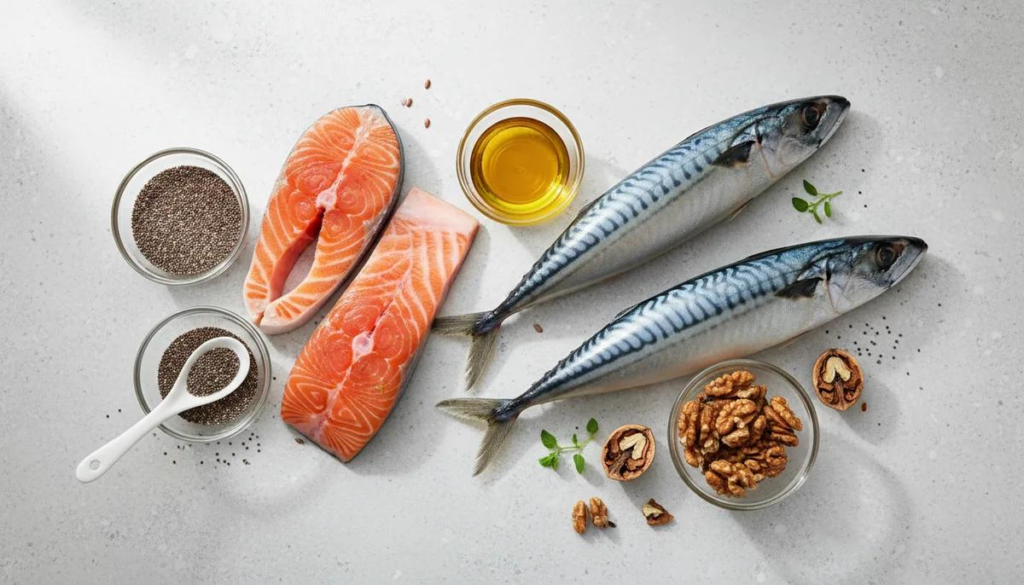
Fish can be an excellent source of protein and, depending on the variety, omega-3 fatty acids.
Fatty fish such as salmon, sardines, trout, and mackerel contain EPA and DHA, two long-chain omega-3 fatty acids that have been extensively studied in relation to cardiovascular health.
If you eat seafood, incorporating fish into meals can be part of a balanced eating pattern.
Try grilled fish with vegetables, baked salmon with whole grains, or sardines in a salad.
For people who do not eat fish, plant foods such as walnuts, chia seeds, and flaxseeds provide ALA. However, the body converts ALA into EPA and DHA only in limited amounts.
The best food choices depend on individual dietary preferences, cultural traditions, availability, and health needs.
🫒 7. Choose Healthier Sources of Fat
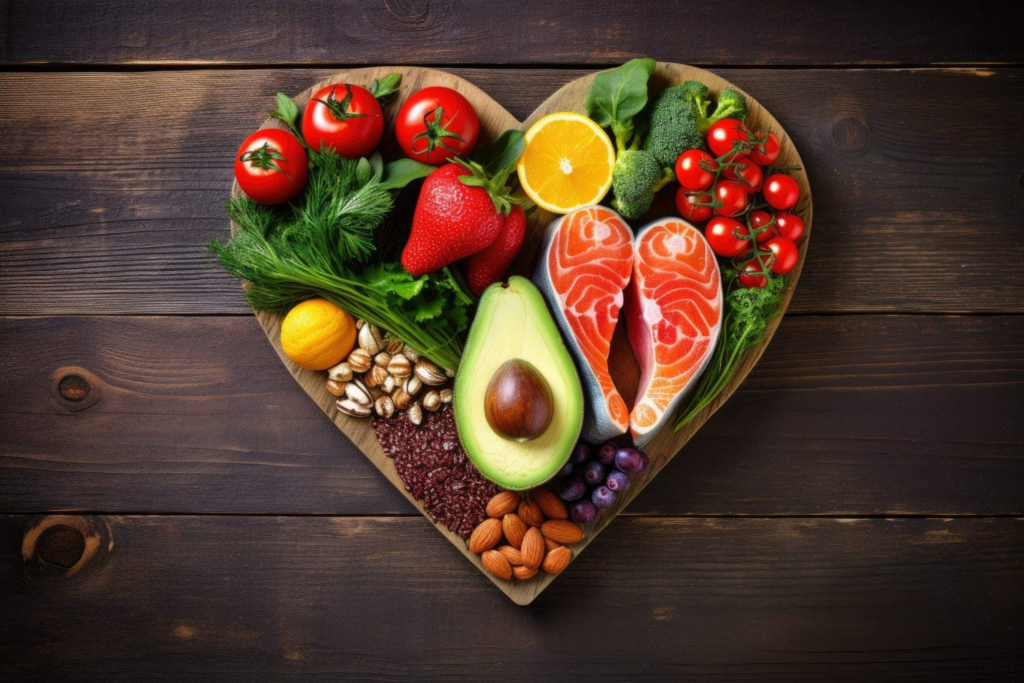
Not all dietary fats are the same.
Heart-conscious eating generally emphasizes unsaturated fats instead of large amounts of saturated and trans fats.
Sources of unsaturated fats include:
- 🫒 Olive oil
- 🥑 Avocado
- 🥜 Nuts
- 🌱 Seeds
- 🐟 Fatty fish
- Certain vegetable oils
Extra-virgin olive oil is a prominent feature of Mediterranean-style diets and can be used for salad dressings, cooking, or finishing dishes.
However, even healthier fats are calorie-dense. The goal is not to consume unlimited amounts but to choose better sources and appropriate portions.
Instead of automatically avoiding fat, ask:
What type of fat is this food providing, and how does it fit into my overall diet?
That approach is more practical than treating all fats as either good or bad.
🥑 8. Avocados
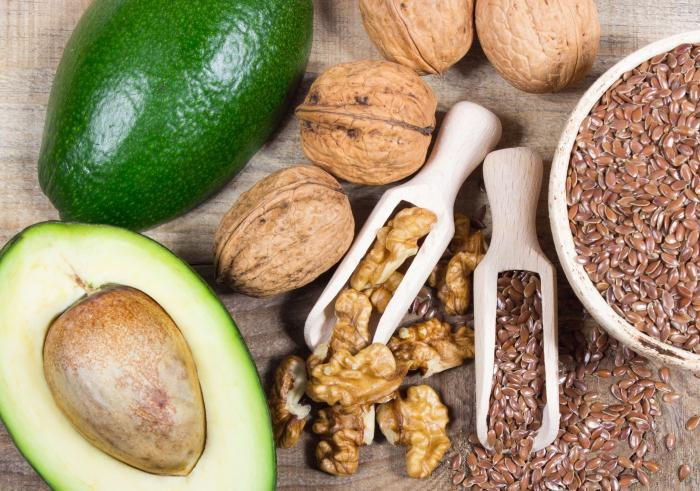
Avocados are another source of monounsaturated fat and provide fiber, potassium, and other nutrients.
They can make meals creamy and satisfying without requiring large amounts of butter or other saturated-fat-rich ingredients.
Try avocado with:
- Whole-grain toast
- Salads
- Grain bowls
- Wraps
- Homemade dips
- Vegetable sandwiches
Because avocados are energy-dense, moderate portions can be appropriate.
The goal is balance rather than excess.
🥣 9. Oats and Barley
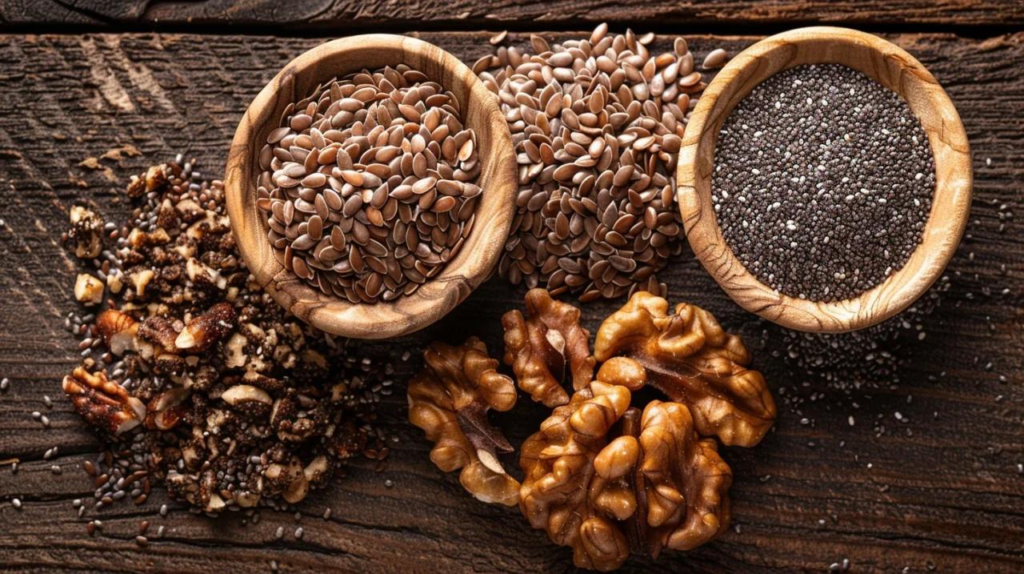
Oats and barley deserve special attention because they contain beta-glucan, a type of soluble fiber.
Soluble fiber can contribute to healthy cholesterol levels when included as part of an overall nutritious diet.
Oats are particularly convenient for breakfast.
A simple bowl of oatmeal can be topped with:
🍓 Berries
🍌 Banana
🥜 Walnuts
🌱 Chia seeds
🍎 Apple
🥛 Milk or an unsweetened alternative
Barley can be added to soups, salads, or grain-based meals.
These foods demonstrate that heart-friendly eating does not need to be complicated.
🥛 10. Yogurt and Other Nutrient-Rich Dairy Foods
Dairy products can provide protein, calcium, and other nutrients.
If you consume dairy, plain yogurt can be a versatile option. It can be paired with fruit, oats, nuts, and seeds to create a nutritious breakfast or snack.
When purchasing packaged dairy products, check the nutrition label for added sugars and saturated fat.
Unsweetened yogurt is often easier to incorporate into a balanced diet because you can control how much sweetness you add through fruit.
People who do not consume dairy can consider appropriate fortified alternatives depending on their dietary requirements.
🌱 11. Soy Foods and Plant Proteins
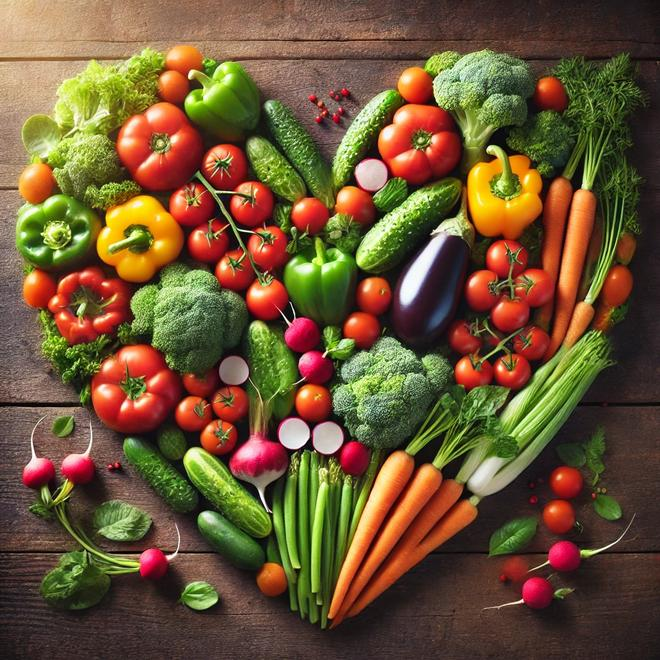
Tofu, tempeh, edamame, and other soy foods can provide plant-based protein and other nutrients.
They can be especially useful for people who want to reduce their reliance on processed or high-saturated-fat meat products.
Tofu can be added to stir-fries, soups, curries, and vegetable dishes. Edamame can work as a snack or salad ingredient.
The goal is not necessarily to become vegetarian.
Instead, consider making plant proteins a more regular part of your meals.
🧂 Foods to Limit for Better Heart Health
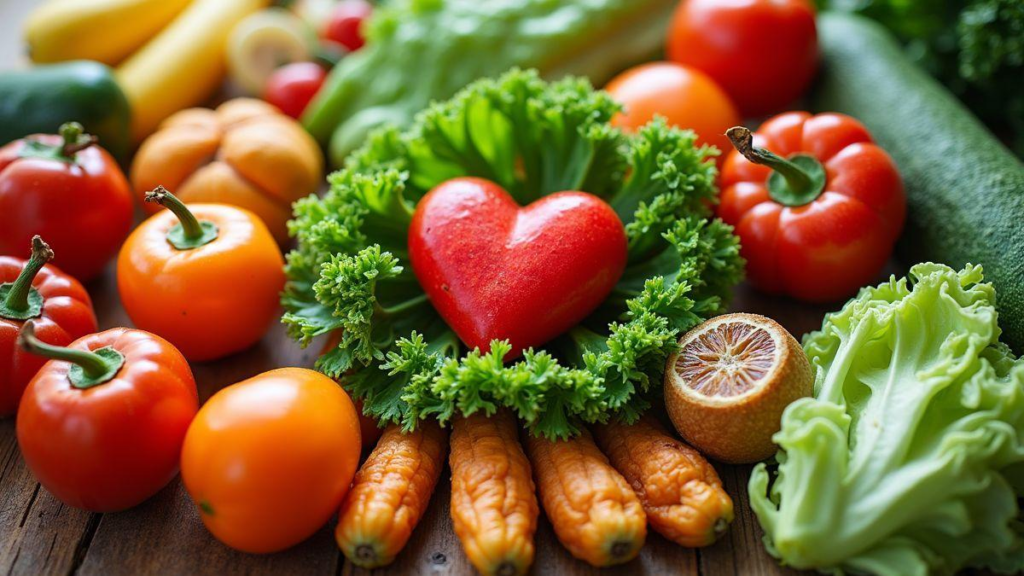
Supporting cardiovascular health is not only about what you add to your diet. It is also about moderating foods that may be problematic when consumed frequently or in large quantities.
🧂 12. Limit Excess Sodium
Sodium is an essential mineral, but excessive intake can contribute to elevated blood pressure in many people.
Common sources of excess sodium include:
- Processed meats
- Packaged snacks
- Instant noodles
- Fast food
- Salty sauces
- Highly salted packaged foods
- Some canned foods
You do not need to make food tasteless.
Instead, experiment with herbs, spices, garlic, ginger, lemon, pepper, coriander, cumin, turmeric, and other seasonings.
Reducing reliance on highly processed foods is often an effective way to lower sodium intake without constantly measuring salt.
🍟 13. Reduce Deep-Fried and Highly Processed Foods
Fried foods can be enjoyable, but frequently consuming large quantities of deep-fried and highly processed foods can make it harder to maintain a balanced eating pattern.
Try cooking methods such as:
🔥 Grilling
♨️ Steaming
🍳 Light sautéing
🔥 Roasting
🥘 Baking
🌬️ Air-frying
These techniques can help you enjoy flavorful meals while reducing dependence on deep frying.
🍩 14. Be Mindful of Added Sugars
Sugary drinks, desserts, sweets, and highly sweetened packaged foods can contribute substantial amounts of added sugar.
Examples include:
🥤 Sugary soft drinks
🧁 Cakes
🍩 Doughnuts
🍬 Candy
🍪 Sweet biscuits
🧋 Highly sweetened beverages
This does not mean you can never enjoy dessert.
The key is frequency and portion size.
For everyday snacks, consider whole fruit, plain yogurt, nuts, or homemade options with less added sugar.
🥓 15. Limit Processed Meats
Processed meats such as sausages, bacon, and some deli meats can contain significant amounts of sodium and saturated fat.
Instead, build more meals around:
🐟 Fish
🫘 Beans
🌱 Lentils
🥚 Eggs
🍗 Lean poultry
🌱 Tofu
🥜 Nuts and seeds
This creates greater variety while reducing dependence on processed meats.
🍽️ Building a Heart-Friendly Plate
You do not need to count every nutrient at every meal.
A simple plate method can make healthy eating easier.
Aim for:
🥦 About half the plate
Vegetables and, when appropriate, fruit.
🌾 About one-quarter
Whole grains or other high-fiber carbohydrate sources.
🫘 About one-quarter
Beans, lentils, fish, poultry, tofu, or another protein source.
🥜 A small amount of healthy fat
Nuts, seeds, avocado, or an appropriate unsaturated oil.
This is a flexible framework, not a strict mathematical rule.
Your nutritional needs can differ depending on age, activity level, medical conditions, culture, and personal goals.
🌅 A One-Day Heart-Friendly Meal Plan
Here’s an example of how these foods can come together.
🌞 Breakfast
Oatmeal topped with berries, chia seeds, and walnuts.
Add plain yogurt if desired.
🍎 Morning Snack
An apple or guava.
🍛 Lunch
Dal with mixed vegetables, whole-grain roti or brown rice, and a fresh salad.
🥜 Afternoon Snack
A small portion of unsalted nuts and a piece of fruit.
🌙 Dinner
Grilled fish or tofu with roasted vegetables and a whole grain.
💧 Throughout the Day
Choose water or other low-sugar beverages according to your individual needs.
This is simply an example. You can create countless combinations using the same basic food groups.
🇮🇳 Heart-Friendly Choices for Indian Meals
Heart-conscious eating can easily fit into Indian cuisine.
Traditional ingredients such as dal, chickpeas, beans, vegetables, whole grains, fruits, nuts, and seeds can all contribute to a nutritious diet.
Consider these simple changes:
Instead of: refined flour products every day
Try: whole-wheat roti or other whole-grain choices.
Instead of: a meal dominated by fried foods
Try: vegetables, dal, grilled foods, or lightly cooked dishes.
Instead of: sugary drinks
Try: water or unsweetened beverages.
Instead of: meat at every meal
Try: dal, chana, rajma, tofu, or other plant proteins on some days.
Instead of: sweets every day
Try: whole fruit more often.
You do not need to abandon traditional foods. The goal is to make the overall pattern more balanced.
🛒 Smart Grocery Shopping for Heart Health
Healthy eating begins at the grocery store.
A useful shopping list can include:
🥬 Produce
Choose several colors of vegetables and fruits.
🌾 Whole grains
Buy oats, barley, brown rice, millet, whole-wheat products, or other whole grains.
🫘 Legumes
Keep lentils, chickpeas, beans, and peas available.
🥜 Nuts and seeds
Choose unsalted or minimally processed varieties when possible.
🐟 Protein
Consider fish, lean poultry, eggs, tofu, or other suitable protein sources.
🫒 Cooking fats
Choose appropriate unsaturated oils and use them in reasonable quantities.
Reading nutrition labels can also help you compare sodium, saturated fat, added sugar, and fiber content between products.
🔄 Easy Heart-Healthy Food Swaps
Small substitutions can be easier to maintain than dramatic dietary changes.
| Instead of | Try |
|---|---|
| Sugary drinks | 💧 Water or unsweetened drinks |
| Refined cereal | 🥣 Oatmeal |
| White bread | 🌾 Whole-grain bread |
| Fruit juice | 🍎 Whole fruit |
| Chips | 🥜 Unsalted nuts |
| Fried vegetables | 🥦 Roasted vegetables |
| Refined grains | 🌾 Whole grains |
| Processed meat | 🫘 Beans, lentils, fish, or tofu |
| Sugary dessert every day | 🍓 Fresh fruit |
| Heavy creamy sauces | 🫒 Lighter sauces with healthier fats |
These changes may seem small, but repeated consistently they can improve the overall quality of your diet.
🚶 Heart Health Requires More Than Food
A nutritious diet is an important foundation, but cardiovascular health depends on many lifestyle factors.
Regular physical activity can support cardiovascular fitness. 🚶
Adequate sleep is important for overall health. 😴
Stress-management strategies can help support general well-being. 🧘
Avoiding tobacco is one of the most important steps for cardiovascular health. 🚭
Routine medical checkups can help identify conditions such as high blood pressure or high cholesterol.
If you have a cardiovascular condition, diabetes, kidney disease, high blood pressure, high cholesterol, or another medical condition, your dietary needs may be different from general recommendations.
A doctor or registered dietitian can provide individualized advice.
🌈 Make Heart-Healthy Eating Sustainable
The best diet is one you can maintain.
If your diet currently contains few vegetables, do not try to suddenly eat huge amounts every day.
Start small.
Add one vegetable to lunch.
Eat one whole fruit as a snack.
Replace one refined grain with a whole grain.
Add lentils or beans to one meal.
Choose nuts instead of a highly processed snack.
Cook at home a little more often.
After these changes become comfortable, build on them.
This approach is more sustainable than following a strict diet for two weeks and then returning to old habits.
❤️ The Bigger Picture: Think Dietary Pattern, Not Individual Foods
There is no single food that can guarantee cardiovascular health.
Eating walnuts does not cancel out a diet dominated by highly processed foods. Eating vegetables once a week is not enough. Similarly, you do not need to avoid every dessert or favorite food to support your heart.
The bigger picture matters.
A heart-friendly dietary pattern can emphasize:
🥦 Vegetables
🍎 Whole fruits
🌾 Whole grains
🫘 Beans and lentils
🥜 Nuts and seeds
🐟 Fish when appropriate
🫒 Unsaturated fats
🥛 Nutritious dairy or suitable alternatives
At the same time, it can limit excessive:
🧂 Sodium
🍩 Added sugars
🍟 Highly processed foods
🥓 Processed meats
🧈 Saturated fats
🥤 Sugary beverages
This balanced approach is much more realistic than chasing nutritional perfection.
📝 Heart-Healthy Eating Checklist
Use this checklist to evaluate your everyday habits:
☐ Do I eat vegetables regularly? 🥦
☐ Do I eat whole fruits rather than relying heavily on juice? 🍎
☐ Do I include beans, lentils, or other plant proteins? 🫘
☐ Do I choose whole grains regularly? 🌾
☐ Do I include nuts or seeds in reasonable portions? 🥜
☐ Do I eat fish if it fits my diet? 🐟
☐ Do I choose healthier sources of fat? 🫒
☐ Do I limit heavily processed foods? 🚫
☐ Do I pay attention to sodium? 🧂
☐ Do I limit sugary drinks? 🥤
☐ Do I stay physically active? 🚶
☐ Do I get regular health checkups when appropriate? 🩺
You don’t have to answer “yes” to every question immediately.
Use the checklist to identify one or two areas where you can improve.
🌟 Final Thoughts
Foods that support heart health are not exotic or difficult to find. Many of the best choices are simple foods that have been part of traditional diets for generations: vegetables, fruits, beans, lentils, whole grains, nuts, seeds, fish, and healthy plant oils.
The most important thing is how these foods fit together.
A colorful plate filled with vegetables, whole grains, legumes, and a suitable source of protein is more valuable than obsessing over one “superfood.” A handful of nuts can be a better everyday snack than many highly processed alternatives. Whole fruit can be a practical replacement for sugary desserts or beverages. Oats and other whole grains can provide useful fiber while making meals satisfying.
❤️ Heart-healthy eating is not about perfection. It is about patterns.
Every meal gives you another opportunity to include nourishing foods. Every grocery trip gives you a chance to bring healthier ingredients home. Every small substitution can become part of a long-term habit.
Start with something simple.
Add more vegetables. 🥦
Choose whole fruit. 🍎
Eat more beans and lentils. 🫘
Experiment with whole grains. 🌾
Include nuts and seeds. 🥜
Choose healthier fats. 🫒
Limit excessive sodium, added sugars, and highly processed foods. 🧂
Stay active. 🚶
And remember that nutrition is only one part of cardiovascular health.
If you have a medical condition or specific cardiovascular risk factors, speak with a qualified healthcare professional for personalized advice.
Ultimately, the healthiest diet is not the most complicated one. It is the one that provides your body with nourishing foods consistently and is realistic enough to maintain throughout your life.
Take care of your heart today, one meal at a time. ❤️🌿