
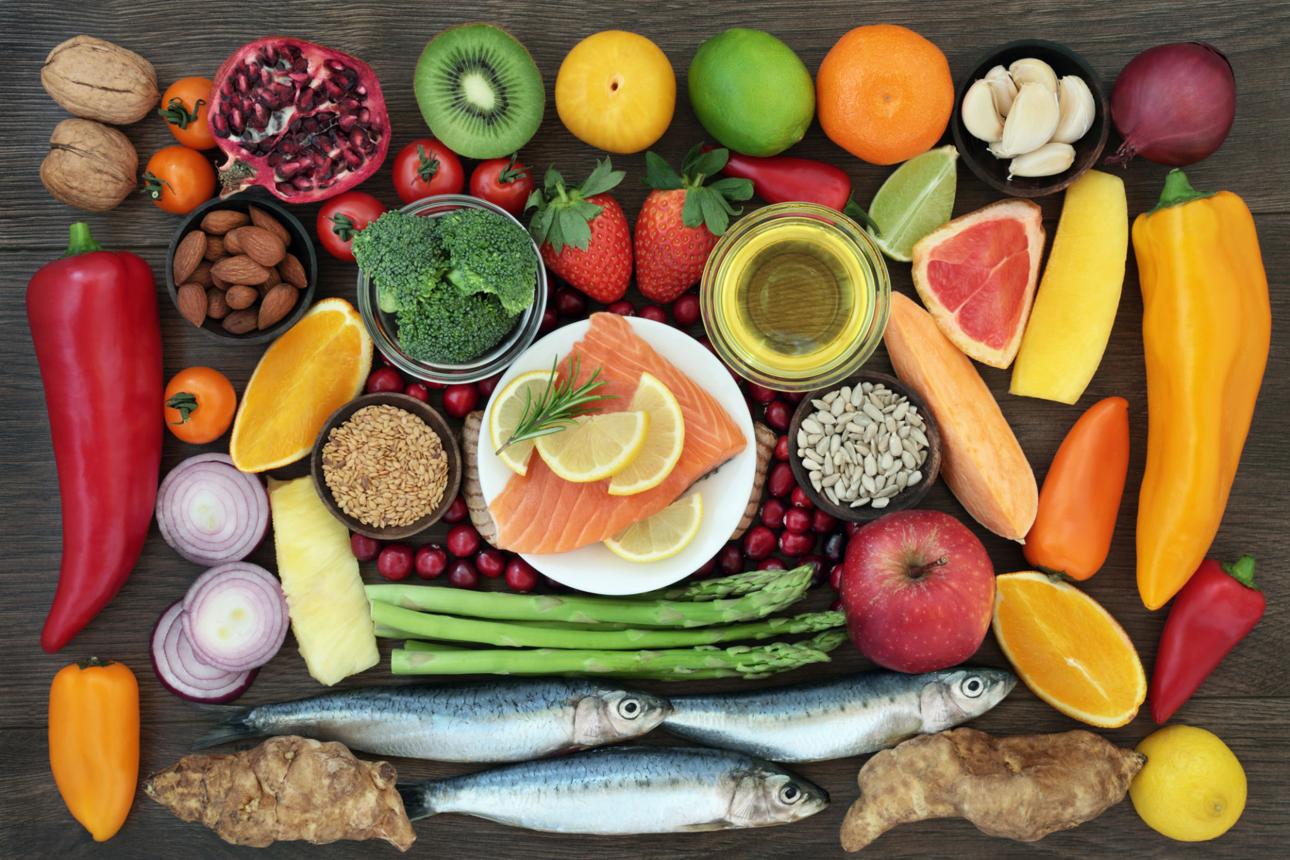
A balanced diet is one of the most important foundations of a healthy lifestyle. Food provides the energy and nutrients the body needs to function, grow, repair itself, and stay active. Eating a variety of nutritious foods can support physical health, brain function, immunity, energy levels, and emotional well-being.
A balanced diet does not mean following a strict eating plan or avoiding your favorite foods completely. Instead, it means creating healthy eating patterns that include a variety of foods in appropriate proportions.


🍎 What Is a Balanced Diet?
A balanced diet includes different food groups that provide essential nutrients. These include carbohydrates, proteins, healthy fats, vitamins, minerals, fiber, and water.
Important food groups include:
- 🥦 Vegetables
- 🍎 Fruits
- 🌾 Whole grains
- 🫘 Beans and legumes
- 🥚 Eggs and other protein-rich foods
- 🐟 Fish or other lean protein sources
- 🥛 Dairy or suitable alternatives
- 🥜 Nuts and seeds
- 💧 Water
No single food contains every nutrient your body needs. That’s why variety is one of the most important principles of healthy eating.
💪 1. A Balanced Diet Provides Essential Nutrients
Your body requires numerous nutrients to maintain normal functions. Protein helps build and repair tissues, carbohydrates provide energy, fats support cells and hormone production, while vitamins and minerals participate in countless biological processes.
For example:
Protein: Eggs, fish, dairy, beans, lentils, tofu, nuts, and seeds.
Carbohydrates: Whole grains, oats, rice, potatoes, fruits, and vegetables.
Healthy fats: Nuts, seeds, avocados, and oils rich in unsaturated fats.
Vitamins and minerals: Fruits, vegetables, legumes, dairy products, nuts, seeds, and other whole foods.
Eating different foods throughout the week helps provide a wider range of nutrients.
⚡ 2. Healthy Food Supports Energy Levels
Food provides the fuel your body needs for everyday activities. A balanced meal containing carbohydrates, protein, healthy fats, and fiber can provide sustained nourishment.
For example, instead of relying heavily on sugary snacks for quick energy, you might choose:
🍌 A banana with nuts
🥣 Oatmeal with fruit and seeds
🥚 Eggs with whole-grain toast
🍛 Dal with vegetables and rice
The goal is not to eliminate carbohydrates or fats, but to choose nutritious sources and appropriate portions.
🧠 3. Nutrition Supports Brain Function
The brain requires a constant supply of energy and nutrients. A nutritious eating pattern can support concentration, memory, and normal cognitive function.
Foods such as fish, nuts, seeds, whole grains, vegetables, fruits, eggs, and legumes can all contribute important nutrients to the diet.
Staying hydrated is also important. Even mild dehydration can make you feel tired and less focused.
❤️ 4. A Balanced Diet Supports Heart Health
The quality of your overall diet can influence cardiovascular health.
A heart-friendly eating pattern generally emphasizes:
- 🥬 Plenty of vegetables
- 🍎 Fruits
- 🌾 Whole grains
- 🫘 Beans and legumes
- 🥜 Nuts and seeds
- 🐟 Fish and other nutritious protein sources
It is also helpful to moderate excessive intake of highly processed foods, added sugars, sodium, and unhealthy sources of saturated and trans fats.


🛡️ 5. Healthy Eating Supports the Immune System
The immune system depends on adequate nutrition. Nutrients such as vitamin C, vitamin D, zinc, selenium, protein, and others contribute to normal immune function.
Rather than relying on a single “immune-boosting” food, focus on eating a diverse diet.
Colorful fruits and vegetables, whole grains, legumes, nuts, seeds, dairy or fortified alternatives, and protein-rich foods can all contribute to nutritional variety.
⚖️ 6. A Balanced Diet Can Help With Healthy Weight Management
Healthy weight management is influenced by many factors, including diet, physical activity, sleep, stress, genetics, and overall lifestyle.
Nutrient-rich foods can make meals more satisfying because they often provide protein and fiber along with essential nutrients.
For example, a meal containing vegetables, lentils, brown rice, and yogurt may be more satisfying than a meal based primarily on highly processed foods.
The goal should be sustainable healthy habits rather than extreme dieting.
🦴 7. Nutrition Helps Maintain Strong Bones and Muscles
Your bones and muscles require adequate nutrients throughout life.
Protein supports muscle maintenance and repair, while nutrients such as calcium and vitamin D are important for bone health.
Good dietary choices can include:
🥛 Milk or fortified alternatives
🥛 Yogurt
🥬 Leafy green vegetables
🫘 Beans
🐟 Certain types of fish
🥜 Nuts and seeds
🥚 Eggs
Regular resistance and weight-bearing exercise can complement good nutrition.
🌱 8. Fiber Supports Digestive Health
Fiber is an important part of a balanced diet. It is found naturally in foods such as vegetables, fruits, whole grains, beans, lentils, nuts, and seeds.
Adequate fiber intake supports normal digestion and can help promote regular bowel movements.
Instead of suddenly increasing fiber dramatically, gradually add more fiber-rich foods and drink enough fluids.
🍽️ How to Build a Balanced Plate
One simple approach is to divide your plate into different components.
🥦 Fill About Half With Vegetables and Fruits
Choose a mixture of colors and types.
🍚 Add a Source of Whole-Grain or Other Nutritious Carbohydrates
Examples include brown rice, oats, whole-wheat roti, quinoa, barley, or other whole grains.
🫘 Include Protein
Choose beans, lentils, eggs, fish, poultry, tofu, dairy, or another protein source.
🥜 Add a Small Amount of Healthy Fat
Nuts, seeds, avocado, and unsaturated vegetable oils can contribute healthy fats.
💧 Choose Water Regularly
Water should generally be your main beverage.
🌅 Example of a Balanced Day
You don’t need to follow this exact menu. It simply demonstrates how different nutritious foods can fit into a day.
Breakfast: Oatmeal with banana, nuts, and seeds.
Mid-morning: Fresh fruit and water.
Lunch: Rice or whole-wheat roti with dal, mixed vegetables, salad, and yogurt.
Evening snack: Roasted chickpeas or a small handful of nuts.
Dinner: Vegetables with beans, tofu, eggs, chicken, or fish alongside a whole grain or other carbohydrate.
Before bed: If hungry, a small nutritious snack such as plain yogurt or fruit may be appropriate.
🚫 Foods to Limit
A healthy diet does not require completely eliminating less nutritious foods. However, foods high in added sugar, excessive sodium, unhealthy fats, and refined carbohydrates are generally best consumed less frequently.
Examples can include:
- Sugary drinks
- Highly processed snacks
- Excessively salty foods
- Deep-fried foods
- Sweets and desserts in large amounts
- Highly processed meats
Enjoying these foods occasionally can fit into an overall healthy eating pattern. What matters most is your overall dietary pattern.
💧 Don’t Forget Hydration
Water is an essential part of a healthy lifestyle. It helps regulate body temperature, transport nutrients, support digestion, and maintain normal physical functions.
Your fluid requirements vary depending on factors such as activity, weather, diet, and individual circumstances.
Keep water available throughout the day and pay particular attention to hydration during hot weather or physical activity.
🧘 Healthy Eating Is About Balance, Not Perfection
One of the biggest mistakes people make is believing that healthy eating means following a perfect diet every day.
It doesn’t.
You can enjoy a celebration meal, dessert, restaurant food, or your favorite snack while still maintaining healthy habits.
Think about your diet over days and weeks rather than one individual meal.
If most of your meals are built around nutritious foods, occasional treats can be part of a balanced lifestyle.


🌟 Simple Tips for Eating Better Every Day
You don’t need to transform your diet overnight. Start with small changes:
✅ Add one extra serving of vegetables each day.
✅ Choose whole fruit instead of fruit-flavored sugary snacks.
✅ Include protein with your meals.
✅ Replace some refined grains with whole grains.
✅ Keep healthy snacks available.
✅ Drink more water instead of sugary beverages.
✅ Eat slowly and pay attention to hunger and fullness.
✅ Try new fruits, vegetables, grains, and legumes.
✅ Plan meals ahead when possible.
✅ Enjoy your favorite foods in moderation.
Small changes that you can maintain are usually more useful than extreme diets that are difficult to follow.
🌟 Conclusion
A balanced diet provides the foundation for a healthy lifestyle. By eating a variety of vegetables, fruits, whole grains, legumes, protein-rich foods, healthy fats, and other nutritious foods, you can provide your body with the nutrients it needs to function properly.
Healthy eating can support energy, digestion, immunity, heart health, brain function, muscles, bones, and healthy weight management. Combined with regular exercise, quality sleep, hydration, and effective stress management, it becomes an important part of long-term well-being.
Remember: healthy eating isn’t about perfection. It’s about making better choices consistently and creating a way of eating that is nutritious, enjoyable, and sustainable. 🥗💚