
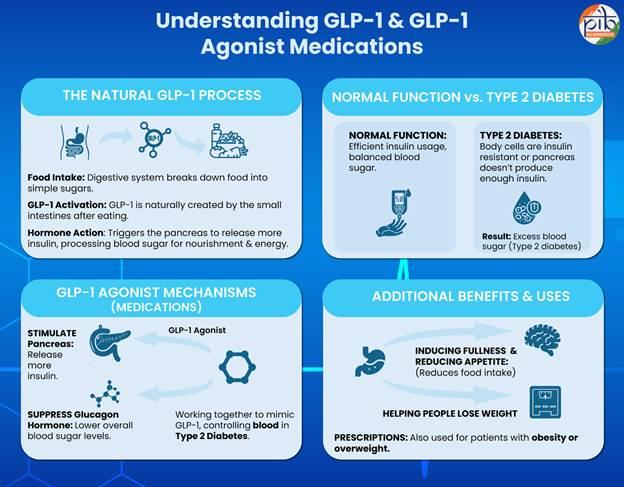
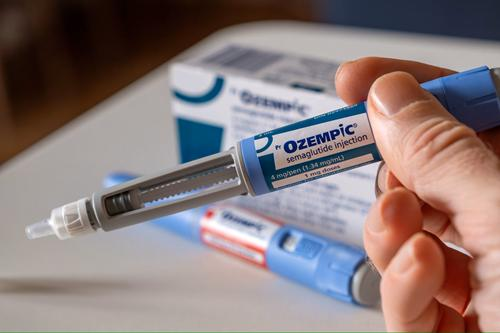
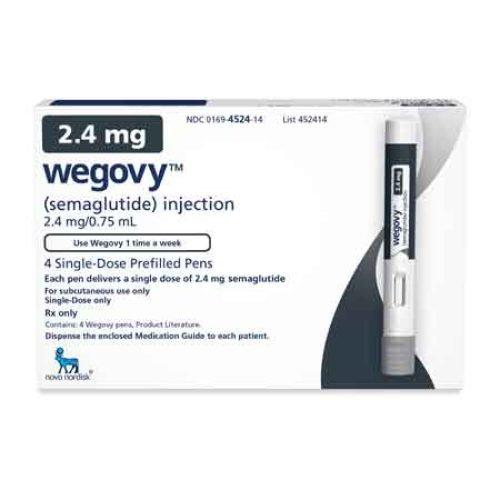
New research presented at the 2026 annual meeting of the American Society of Clinical Oncology suggests that GLP-1 medications—including Ozempic, Wegovy, Mounjaro, and Zepbound—may be associated with a substantially lower risk of breast cancer. Researchers found that women using these drugs had approximately 30% lower odds of developing breast cancer compared with similar women who were not taking GLP-1 medications.
Key Findings
- The study analyzed health records from more than 110,000 women aged 45–80 with overweight or obesity.
- Women taking GLP-1 medications showed a 30.5% lower breast cancer incidence in matched analyses designed to account for factors such as age, BMI, race, breast density, and diabetes status.
- In the broader analysis, the reduction reached approximately 35%.
- Similar findings were reported across several observational studies presented at ASCO, suggesting potential benefits across multiple cancer types.
Why Might GLP-1 Drugs Help?
Researchers believe several mechanisms could be involved:
- Weight reduction – Obesity is a known risk factor for breast cancer, especially after menopause. GLP-1 drugs are highly effective for weight management.
- Reduced inflammation – Chronic inflammation is linked to cancer development, and GLP-1 medications may help lower inflammatory activity.
- Metabolic improvements – Better blood sugar control and insulin regulation could contribute to a lower cancer risk.
- Potential direct biological effects – Early laboratory research suggests GLP-1 drugs may influence pathways involved in tumor growth and survival.
Important Caveat
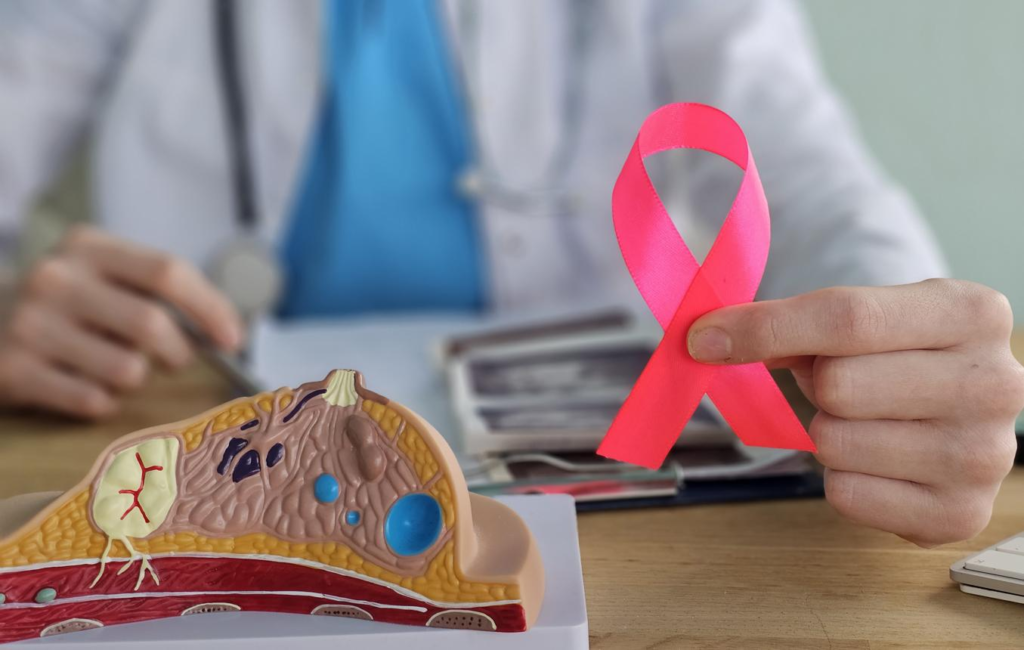
The research is observational, meaning it shows an association but does not prove that GLP-1 drugs directly prevent breast cancer. Scientists emphasize that randomized clinical trials are still needed before these medications can be recommended specifically for cancer prevention. Several such studies are now being planned.
Bottom Line
The findings add to growing evidence that GLP-1 medications may offer benefits beyond diabetes treatment and weight loss. While the reported 30% reduction in breast cancer risk is encouraging, experts caution that more rigorous clinical trials are needed to determine whether the drugs themselves are responsible for the protective effect. For now, GLP-1 medications remain approved primarily for diabetes management and obesity treatment.